Welcome To Denton Vision Center
Your vision is our priority. Book your comprehensive eye exam today.
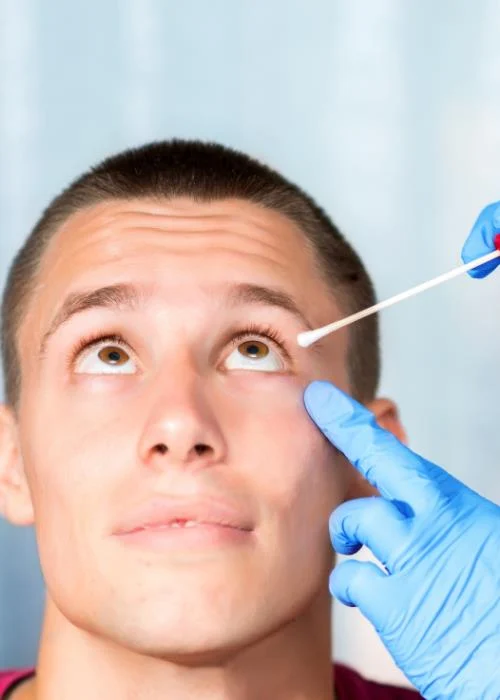
Our comprehensive eye exams go far beyond checking your vision for glasses or contact lenses. We evaluate the overall health of your eyes, looking for serious conditions like diabetic retinopathy, glaucoma, cataracts, and other diseases that can affect your vision and overall health. When necessary, we collaborate with your primary care provider to co-manage these issues and ensure continuity of care.
We also offer contact lens exams, during which we assess which type of lenses best fit your lifestyle and comfort. Whether you’re a new or experienced wearer, we’ll guide you to the right option.
We manage, treat, and/or refer ocular emergencies such as red eye, eye pain, vision loss, and similar urgent issues as appropriate. Please note: these services are available during office hours only. If you are experiencing an ocular emergency outside of our clinic hours, please go to the nearest emergency room.
Although we do not accept medical insurance at this time, we are happy to see you with a cash payment option.
Comprehensive eye exams are essential for maintaining not only clear vision but also overall eye health. Unlike a basic vision screening, a comprehensive exam evaluates the entire visual system and checks for early signs of eye diseases—many of which show no symptoms in the early stages.
These include:
Your eye doctor will also check your current glasses or contact lens prescription and update it as needed to ensure you’re seeing as clearly and comfortably as possible. In addition, the exam assesses how well your eyes work together and can even uncover signs of general health problems like high blood pressure or diabetes. Regular comprehensive eye exams help ensure early detection and timely treatment, protecting both your vision and overall eye health.
At our practice, we understand how important comfortable, clear vision is—especially if you wear contact lenses. That’s why we emphasize the importance of yearly contact lens exams and fittings. Even if your vision hasn’t changed, your eyes and contact lens needs can, so annual check-ups ensure your lenses fit properly and your eyes stay healthy.
Wearing contact lenses without regular exams or overusing them can increase your risk of eye infections, irritation, and other serious complications. It’s crucial to follow the recommended wear schedule and replacement guidelines to protect your eyes.
For many patients, daily disposable lenses (dailies) are the healthiest and most convenient option. They reduce the risk of infection because you use a fresh pair every day—no cleaning or storage needed. If you haven’t tried dailies yet, ask us about them during your next visit. We’d love to help you experience the comfort and convenience of daily lenses.
Regular contact lens care and annual exams are key to keeping your eyes safe and your vision sharp. We’re here to guide you every step of the way!
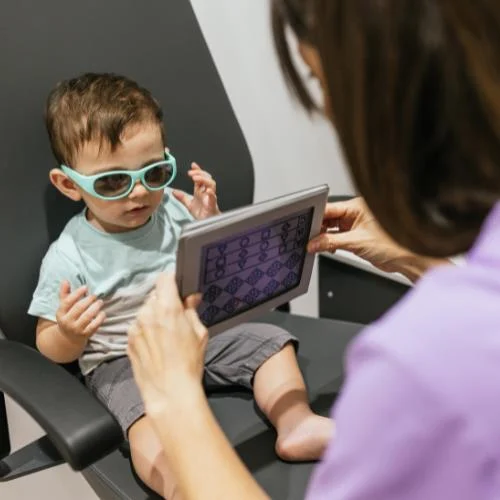
At our practice, we believe that healthy vision is essential for every child’s learning and development. We offer comprehensive eye exams for children age 7 and older to ensure their eyes are growing and working properly.
Many kids can’t easily tell you if they’re having trouble seeing, so regular eye exams are important to catch vision problems early—before they affect school performance or daily activities. Early detection and correction of vision issues can help prevent more serious conditions from developing later on.
Our team is experienced in working with children, making exams comfortable and stress-free. We’re here to help your child see clearly and succeed both in and out of the classroom.
At our practice, we are committed to protecting the vision and overall eye health of every patient—especially those living with diabetes. Diabetes can lead to a serious eye condition called diabetic retinopathy, which damages the blood vessels in the retina and can lead to vision loss if left untreated.
That’s why it’s so important for patients with diabetes to have a comprehensive eye exam every year. These yearly exams allow us to closely monitor the health of your eyes and catch any early signs of diabetic changes, even before you notice any vision symptoms.
If we detect any signs of diabetic retinopathy or other diabetes-related eye issues, we will communicate findings with your primary care physician (PCP) or endocrinologist. This helps ensure your diabetes management plan is updated and your overall health stays on track. Early detection and coordination with your healthcare team are key to preventing vision loss and managing diabetes effectively.
Your eyes are an important part of your health—and we’re here to help you take care of them.
At our office, we take glaucoma detection and management seriously.
Glaucoma is often called the “silent thief of sight” because it typically develops without noticeable symptoms—especially in the early stages. Many people don’t realize they have it until they begin to lose peripheral (side) vision, and by then, the damage may already be significant.
That’s why early detection is critical. The sooner we can identify signs of glaucoma, the better the chances of slowing or preventing vision loss. During a comprehensive eye exam, we measure your eye pressure, assess the optic nerve, and may perform additional testing like visual field scans to check for any subtle vision changes.
Risk factors for glaucoma include:
We are dedicated to monitoring your eye health closely and educating you about your risks. If glaucoma is suspected or diagnosed, we’ll create a personalized care plan to manage it and protect your vision for the future.
At our office, we believe that clear vision is an important part of a full, active life—and we’re here to help you maintain it. One common age-related condition we monitor closely is cataracts.
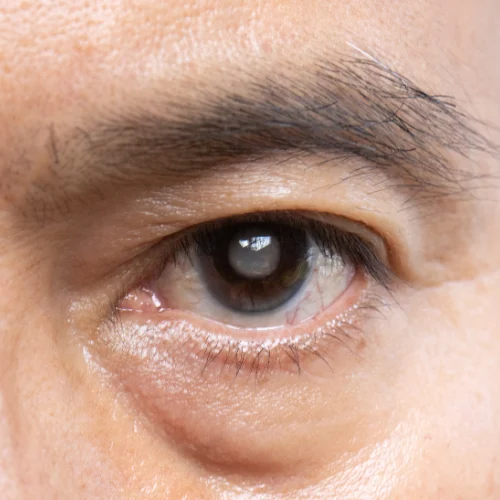
When you’re younger, the natural lens inside your eye is clear, allowing light to pass through easily so you can see sharply. As you age, this lens can slowly become cloudy, which affects the way you see. Many patients describe it as feeling like they’re looking through a foggy window or a dirty windshield—glare becomes more bothersome, colors may look dull, and reading or driving at night can get harder.
Cataracts usually develop gradually, and in the early stages, they may not cause significant vision problems. In these cases, we often monitor your vision regularly to track any changes. However, if the cataract begins to affect your daily activities—such as reading, driving, or recognizing faces—we may recommend a referral for cataract surgery, a safe and highly effective procedure that can restore clear vision.
Our goal is to help you understand your eye health and guide you through every stage of care with confidence.
At our practice, we’re committed to helping you protect your central vision, especially as you age. One condition we carefully monitor is macular degeneration, a common eye disease that affects the macula—the part of the retina responsible for sharp, detailed central vision used for reading, driving, and recognizing faces.
There are two main types: dry and wet macular degeneration. The dry form is more common and tends to progress slowly, while the wet form is less common but can cause more rapid vision loss.
Risk factors include age (over 60), family history, smoking, high blood pressure, poor diet, and excessive sun exposure.
While there’s no cure, there are several steps you can take to help slow its progression and protect your vision:
We take the time during each eye exam to assess your risk, screen for early signs, and provide personalized guidance. If you are diagnosed with macular degeneration, we’ll work with you on a plan to monitor it closely and keep your vision as strong as possible for as long as possible.
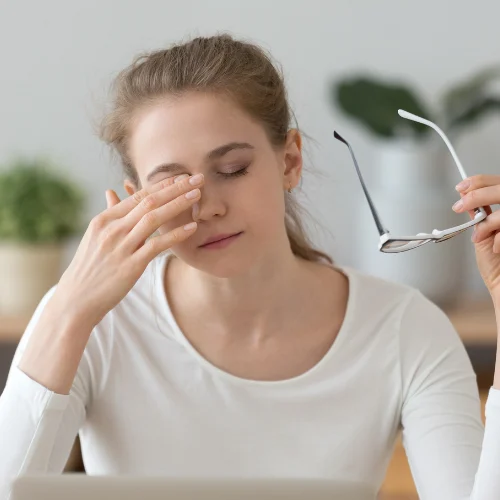
Dry eye is a common condition that occurs when your eyes don’t produce enough tears or the tears evaporate too quickly. This can lead to symptoms such as burning, itching, redness, a gritty or sandy feeling, blurry vision, and discomfort, especially after reading, screen use, or in dry environments.
While there are many over-the-counter treatments like artificial tears that can provide relief, some cases require prescription eye drops or other therapies for better results. Because dry eye can have multiple causes, we may recommend a dry eye evaluation to understand your specific condition and tailor the best treatment plan.
Left untreated, dry eye can significantly affect your quality of life, making it uncomfortable to see clearly and causing persistent irritation. Our goal is to help restore your eye comfort and improve your vision so you can enjoy everyday activities without distraction.
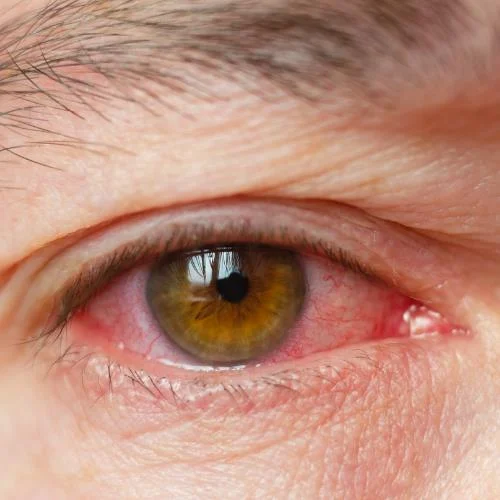
Red eye is a common symptom with many possible causes, ranging from minor irritation to serious infections or inflammation. Because there are so many different reasons your eye might appear red, it’s impossible to know what’s causing it without a thorough eye examination.
At our practice, we take the time to carefully evaluate your red eye to determine the exact cause and provide the right treatment. Whether it’s allergies, dryness, infection, or something more serious, early diagnosis helps prevent complications and gets you feeling better faster.
Contact lens wearers should be especially cautious if their eyes become red, as this can be an early sign of an infection that requires prompt care.
If you notice redness in your eye, especially if it’s accompanied by pain, vision changes, or discharge, don’t wait—come see us so we can assess your eye health and provide personalized care.
At our practice, your eye health and safety are our top priorities—especially when it comes to emergencies. Certain eye problems require immediate attention to prevent serious damage or permanent vision loss.
Common ocular emergencies include:
If you experience any of these symptoms, it’s important to seek prompt care. Visiting your eye doctor ensures a detailed evaluation and appropriate treatment.
If we determine that you need to see a specialist, our established relationships allow us to expedite referrals, so you get the care you need as quickly as possible.
If you are experiencing an eye emergency outside of our clinic hours, please go to the nearest urgent care or emergency room immediately.
When it comes to ocular emergencies, acting fast and seeing the right specialist can make all the difference—and we’re here to guide you through it.
We’re excited to soon offer retinal imaging, an advanced diagnostic tool that allows us to capture a high-resolution image of the back of the eye. This technology provides a more comprehensive view of the retina and can be instrumental in detecting early signs of serious conditions such as retinal holes, tears, or detachments.
Without retinal imaging, we are limited to a smaller view of the eye’s internal structures, often focusing only on the central retina. This makes it more difficult to assess what may be occurring in the peripheral retina, where many issues can first develop unnoticed.
Many eye diseases are asymptomatic and painless in their early stages, which is why early detection is so important. Retinal imaging allows us to identify potential problems before symptoms appear, helping protect your vision long-term.
In many cases, this technology can serve as a convenient alternative to traditional dilation, though if further examination is needed, dilation may still be recommended.
This service is coming soon, and we look forward to using it to enhance the quality and depth of your eye care.
Denton Vision Center – Personalized Eye Care for the Denton Community
We provide comprehensive eye exams, glasses and contact lens fittings, and care for a variety of eye conditions – all with a focus on personalized service and lasting eye health.
Whether you need a routine check-up or ongoing care, our team is here to support your vision every step of the way.
Copyright © 2025 Denton Vision Center. All Rights Reserved.